Weaving Reality: Brutalism and Spiders Extended Cognition
Spider webs are spiders’ second brain. There, that’s the hook for TikTok. Now, back to the pseudo-intellectual stuff.
I personally do not like spiders; I am very much aware this is not very organic or biologically motivated. It’s not like that many spiders are dangerous, nor do they have the typical dangerous patterns or colors, you know? Like those poisonous frogs that have those weird color patterns on their backs that really tell you, “touch and find out.” Most spiders that an individual like myself, living in a western big city, encounters are small and inoffensive. So I have to believe it is my culture that pushed the idea of “spiders bad,” even though they are amazing beings.
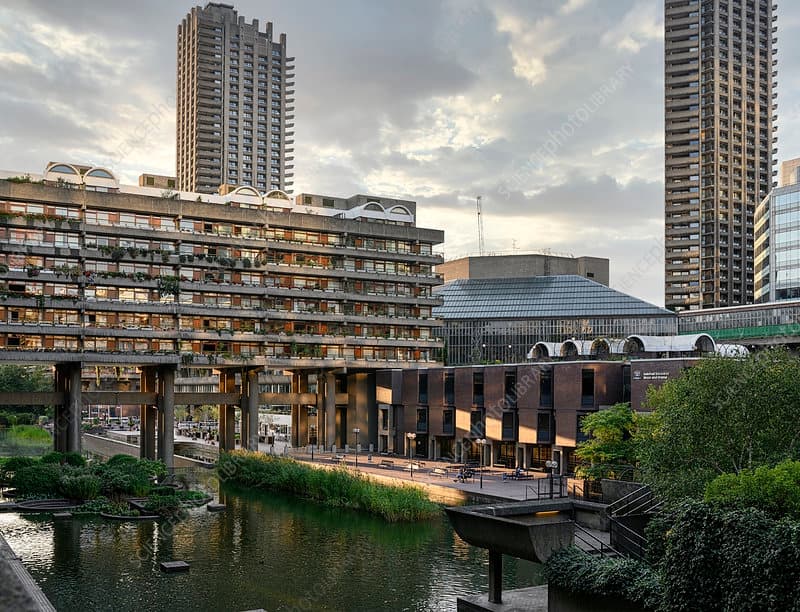
Soo I watched The Brutalist a few months ago. I liked the movie, ok... I liked the concept, love Adrian Brody and liked the Hungary mention. I felt some pieces of the storyline were “mhaa,” but it made me want to talk about brutalism, so cool, I guess?
I am fascinated by brutalism and I see it as one of the most, if not the most, utility-based architecture styles amongst the famous ones. It’s basic in materials and lines, leaving most of the work to the way the “artist” plays with light and spaces. When I was younger and full of rebellious feelings I really enjoyed brutalism for its simplicity and its no bullshit approach, but for me, the hard reality is, do I really want to live in a cold room made of cement? Probably not. I want books and paintings, plants and color. Maybe some rounded lines sometimes. Some wood would be nice, maybe some carpets, maybe a Persian rug, you know? But brutalism makes you really think about what is important in a space, so we should really respect it.
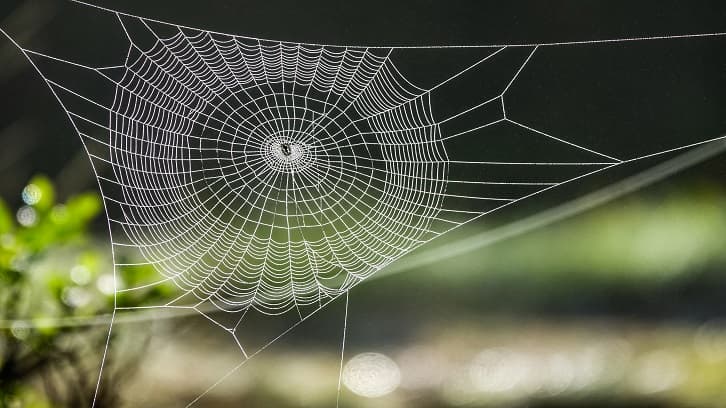
Spiders are very interesting creatures because they spend most of their lives in their web. They live there, hunt there, reproduce there, but something people do not really know is that they weave the web depending on their state of mind and overall well-being. You can actually read a spider’s recent history by looking at the pattern of its web.
So while the spider is creating its home and its hunting trap, it is also creating the reality it will be absorbing for the next period of time, and some of these webs can last for years. That is crazy to me. If the web is basically the spider’s entire world, then the spider is literally building its own reality. Pufff… mind-blowing. And to add more juice to this idea, spiders use the vibrations of the threads to detect whatever touches their “home”, so the web becomes almost like a sixth sense.
And this is where it starts getting really mind-blowing to me. Because at that point the web is not just a house, not just a trap, not just a sensory extension, it starts looking like a second brain. The web holds information. It stores decisions, past states, stress, health, mistakes. You can literally see if a spider was doing “well” or not by looking at what it built days or weeks ago. So the spider does not need to carry everything inside its head, part of its cognition is outsourced into the web itself. It is like a hard drive made of silk, a physical memory of past reality that the spider keeps interacting with every second of its life. The web remembers, even when the spider just reacts. And since that web is the main interface between the spider and the world, it becomes impossible to separate where the spider ends and where the web begins.
There are a lot of philosophical approaches to this. The idea that you build reality as you move through it is not new, even for humans, but doing it through your habitat, using it as an expression of yourself, as your livelihood, and then having that same place become the source of how you perceive the world, that is honestly amazing to me.
Now, once again dear reader, just like all my other articles, you might ask why this Iberian lunatic is jumping from brutalist architecture to spiders. And honestly, fair question. But as with everything I write, I like to associate ideas that at first hand have absolutely nothing to do with each other. I find it a nice exercise, almost a mental game.
Brutalism started in the 1950s. It was a rebirth of the functionalism of the Bauhaus. Take a look, it is truly amazing how these design principles still hold, knowing they were created in the 1920s.
In the 50s, Europe was in shambles. Morale was low, resources were slim, and life needed to be simpler than what it was in the 40s, maybe even utopian, as some red friends say. The buildings that we were building were just that, a mirror of the collective consciousness of the architects and of the movement itself.
Now sure, you can tell me that the same thing could be said about all architecture styles, that they are a reflection of the collective conscience at a given time, and you would be right, very well put dear reader. But in the same way the spider has its web as an extremely functional and utilitarian tool that displays its perception of reality, we have brutalism as our most functional way of creating the places we live in. No fluff, just utility, showcasing the despair of post-war Europe, a utilitarian vision frozen into the past. A store of post-war trauma, just like a second brain.